A U.S. financial services provider offers loans, credit cards, and financial tools across digital channels and 1,200+ branches. As it expanded into a multi-product platform, inconsistent design patterns slowed delivery and fragmented the user experience.

Design decisions were made independently across teams, leading to inconsistent user experiences. Even basic elements like buttons varied widely, with multiple styles used across customer journeys.
Internal tools followed different layouts and interaction patterns, making it harder for employees to navigate systems efficiently. At the same time, design updates were difficult to implement.
Changes like brand updates required months of effort because styles were hardcoded across multiple repositories.
As the organization moved toward a unified, multi-product experience, these inconsistencies became a blocker. Without a shared design foundation, teams continued solving the same problems repeatedly, slowing delivery and creating a disconnected experience for users.
What we did
We conducted a full audit across customer-facing and internal tools to identify duplicated patterns, inconsistencies, and shared challenges. This created a clear baseline of where teams diverged and where standardization would create the most impact.
We designed and implemented a centralized design system, including tokens, reusable components, and interaction patterns. The system was built in Figma and Storybook, with a structure that supports both design and engineering teams.
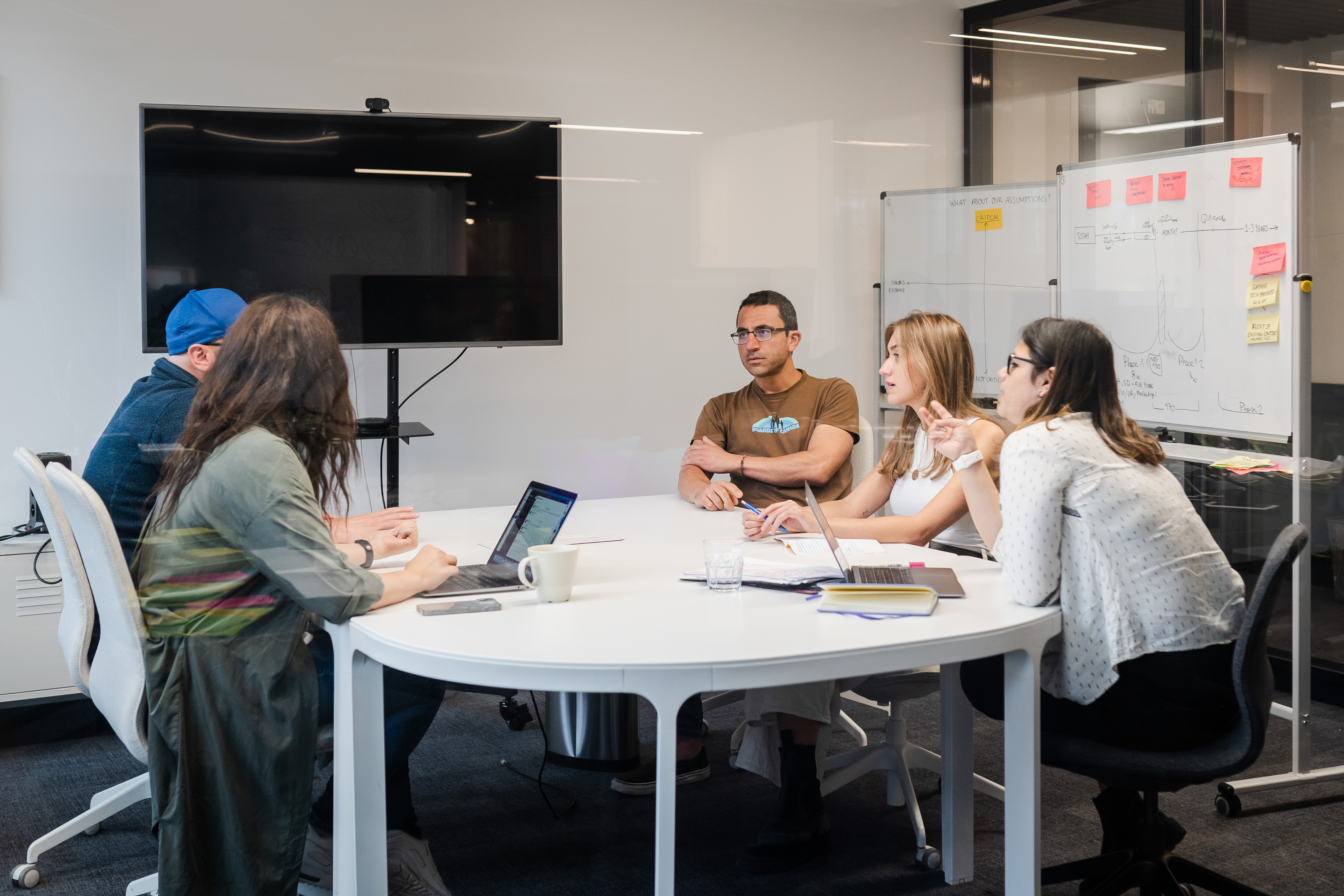
We worked closely with designers, engineers, and product teams to align on decisions and drive adoption. Components were delivered in short cycles and tested in a live product environment, with support for teams to replace legacy patterns and integrate the system into their workflows.
Value delivered
Reduced Duplication and Improved Product Consistency
Design and development moved from fragmented, team-specific solutions to a shared system used across products. This reduced duplicated work and improved consistency across both customer and internal experiences.
Brand and UI updates became significantly faster, with changes that previously took nine months now completed in one month.
Teams spend less time on repeated design decisions and more time building features. With a shared foundation in place, product teams can now deliver updates faster and maintain a consistent experience across a growing multi-product platform.

